

Guide Customers to 'Yes' with Smart Local Websites
Marketing, Customer Journey
The Customer Journey: How Smart Local Websites Guide People to “Yes”
For local businesses, your website is no longer a digital brochure—it’s the guide your customer follows from first click to loyal repeat visit. When you design it around the customer journey, with helpful chat, easy booking, and thoughtful follow-up, your site becomes a quiet salesperson working 24/7.
Why Your Customers Need Guidance Online
When someone lands on your website—whether you’re a salon, dentist, gym, or home service—they’re rarely ready to buy in the first second. They’re asking silent questions: Can I trust this business? Do they understand my problem? What should I do next? If your site doesn’t clearly answer those questions and guide them forward, they hesitate, click away, or “come back later” and never do.
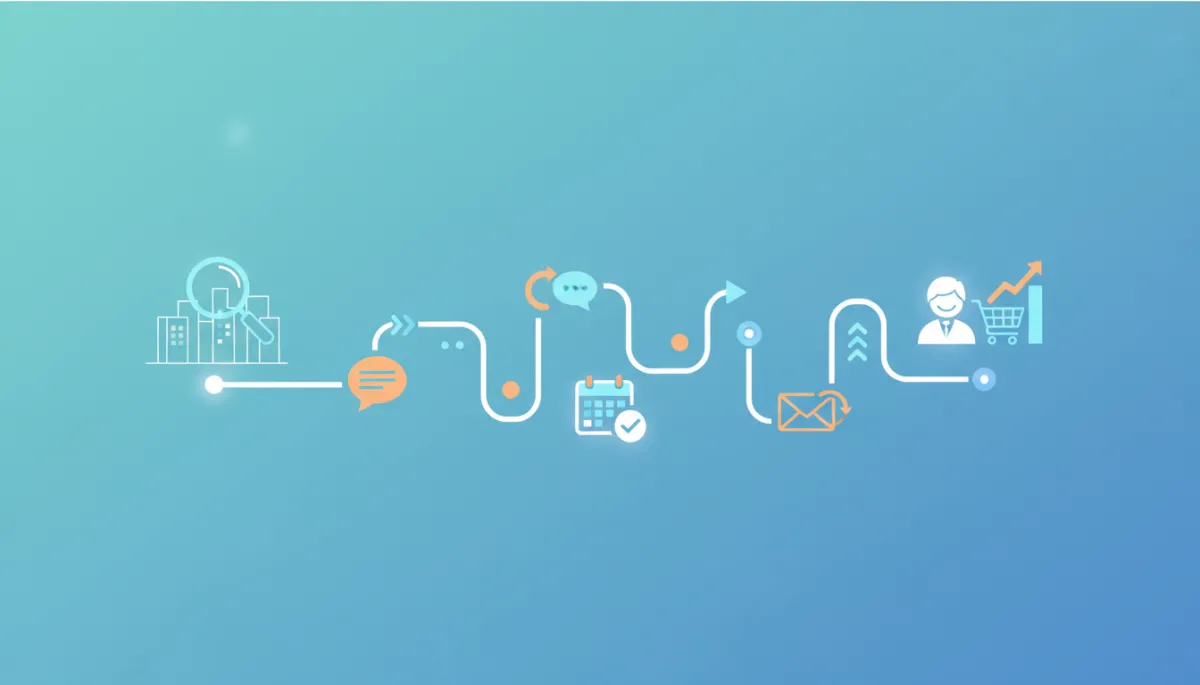
Journey thinking means mapping out every stage a customer passes through—awareness, consideration, decision, and loyalty—and building your website to support each stage. Instead of dumping information and hoping people figure it out, you gently lead them: show proof, answer questions, offer a next step, and stay in touch afterward.
Stage 1: Awareness – Use Chat to Welcome and Reassure
At the awareness stage, visitors are just getting to know you. They may have found you through Google, social media, or a friend’s recommendation. This is where chat can make a powerful first impression. A simple, professional chat widget says, “We’re here if you need us,” and turns a static page into a two-way conversation.
Answer quick questions about prices, availability, or services without forcing a phone call.
Capture contact details when someone starts a chat, so you can follow up if they leave.
Offer friendly guidance: “Not sure which service you need? Tell us your goal and we’ll recommend the best option.”
You don’t need to be glued to your screen all day. Many local businesses use a mix of automated responses and real human replies during business hours. The key is that chat becomes the first “guide” on the journey, helping visitors feel seen instead of lost.
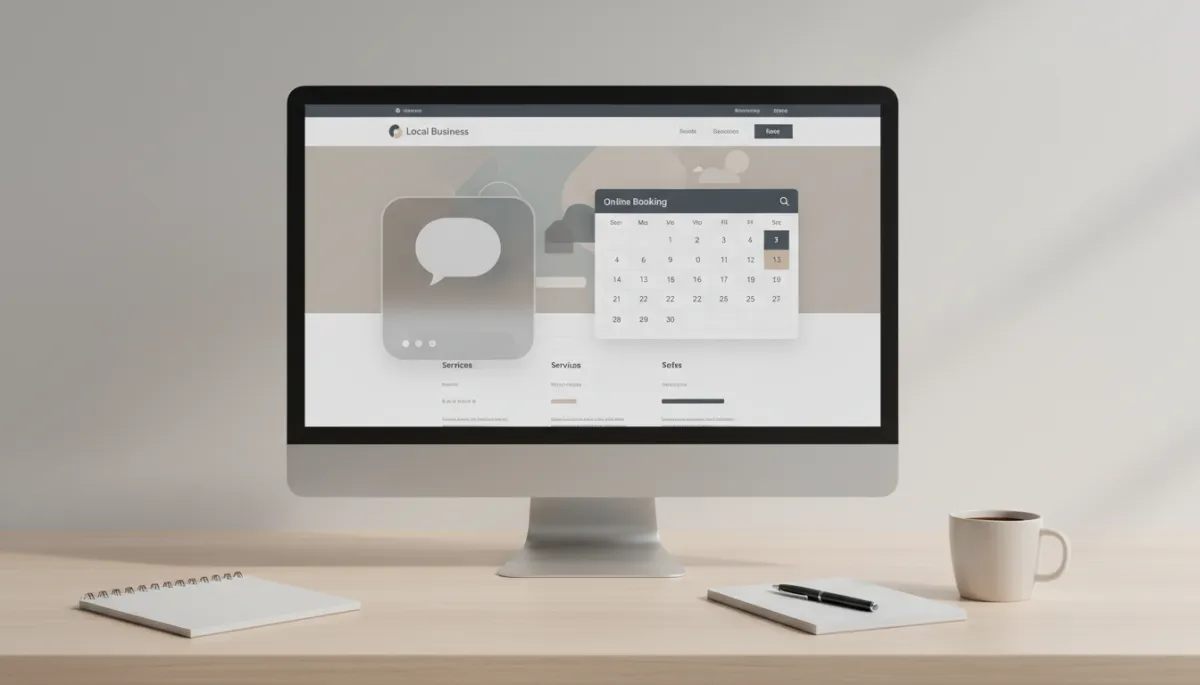
Combining chat and booking tools keeps customers moving smoothly toward a confirmed appointment.
Stage 2: Consideration – Make Booking the Obvious Next Step
Once visitors feel confident in your business, they shift into the consideration stage: “Is this right for me, and when can I do it?” This is where many local websites drop the ball by forcing people to call, fill out a vague form, or send an email and wait. A smart website makes booking the natural, effortless next step.
Add a clear “Book Now” or “Schedule a Visit” button on key pages, not just your contact page.
Use an online calendar that shows real-time availability, so customers can choose a time that suits them without back-and-forth.
Offer different journey paths—consultation calls, free trials, or first-time offers—depending on where visitors are in their decision process.
Think of booking as the bridge between “I’m interested” and “I’m committed.” If that bridge feels shaky or hidden, people turn back. If it’s clear, simple, and fast, they cross without hesitation. Your website’s job is to light up that bridge at exactly the right moment in the journey.
Stage 3: Decision and Beyond – Follow-Up That Builds Loyalty
The journey doesn’t end when someone books. In many ways, it’s just beginning. Thoughtful follow-up turns a one-time booking into a long-term relationship and repeat revenue. Your website and connected tools can handle much of this automatically, while still feeling personal.
Send confirmation and reminder emails or texts so customers feel confident and prepared.
After the visit, ask for feedback or a review, and thank them for choosing your business.
Offer a next step in the journey: a maintenance plan, a follow-up appointment, or a loyalty discount for returning.
Smart follow-up respects your customer’s time and shows you care beyond the sale. Over time, this builds trust, word-of-mouth referrals, and a steady base of regulars who feel guided, not sold to.
Putting Journey Thinking Into Your Local Website
To bring journey thinking to life, walk through your own website like a first-time visitor. At each step, ask, “What would I want to know here, and what should I do next?” Then adjust your pages so they gently lead people from one stage to the next:
Use clear headlines and simple language that speak to customer problems and outcomes.
Add chat to welcome questions and reduce hesitation at the start of the journey.
Make booking obvious, effortless, and available from your most visited pages.
Connect your website to email or SMS tools so follow-up happens automatically and on time.
📌 Key Takeaway: A smart local website doesn’t just look good—it guides customers step by step with chat, booking, and follow-up woven into a smooth journey.
From Static Site to Silent Salesperson
Local customers are busy, distracted, and often unsure what they really need. When your website simply lists information, you leave them to figure it out alone. When you design it as a guided journey—with helpful chat, seamless booking, and thoughtful follow-up—you make it easy for them to choose you and keep coming back.
The tools are simple. The shift is strategic: stop thinking of your site as a digital flyer, and start treating it as a silent salesperson that walks every visitor from curiosity to confident “yes.” For local businesses, that’s the difference between a website that just exists and one that truly works.
