

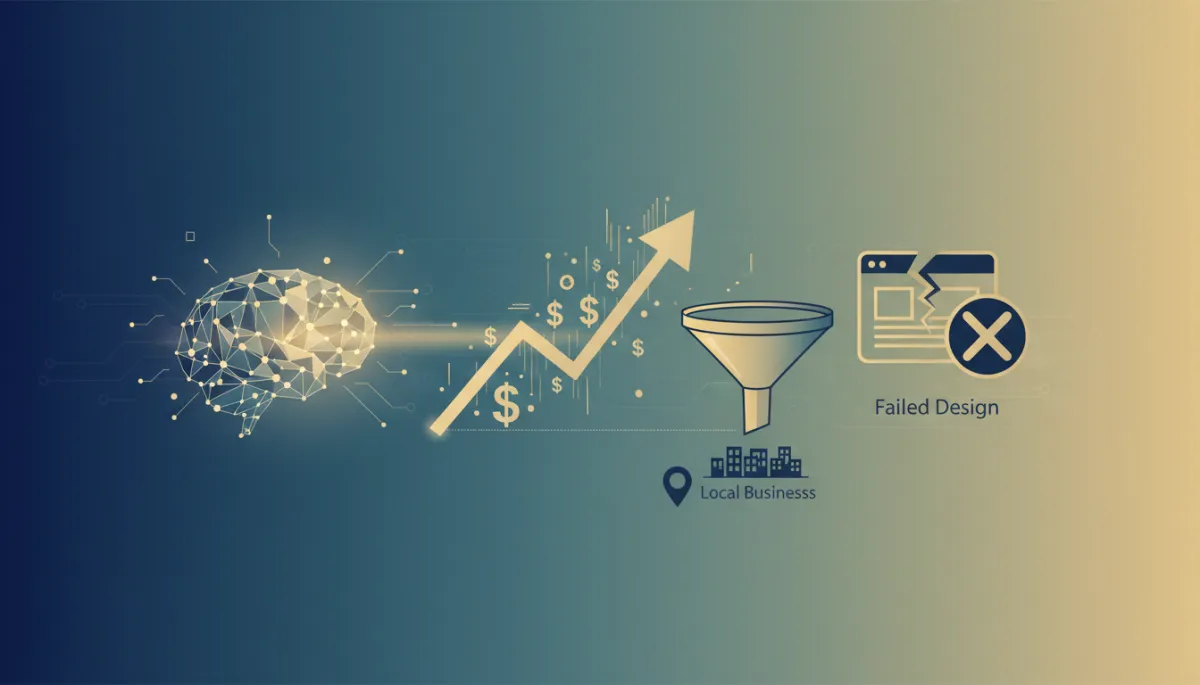
Why Local Business Websites Fail: It's Not Design
Local Business Marketing, Lead Generation
Design Is Not The Problem: Why Local Business Websites Really Fail
Most local business owners think their website isn’t “working” because it doesn’t look modern enough. In reality, websites rarely fail because of design. They fail because they don’t do the one job that truly matters for a local business: capturing leads and turning visitors into paying customers.
1. Websites Don’t Fail Because of Design
It’s easy to blame poor results on design. Maybe your competitor’s site has big hero images, trendy fonts, and slick animations. That can make your own website feel “outdated” by comparison. But customers don’t hire a plumber, dentist, or landscaper because of a fancy gradient or a clever scrolling effect. They hire the business that makes it easy to understand the offer and take the next step.
A simple, clean website that loads quickly, explains what you do, and clearly invites visitors to call, book, or request a quote will consistently outperform a beautiful but confusing design. Pretty websites that don’t guide the visitor are like glossy brochures left in a box in the back room.
2. Websites Fail Because They Don’t Capture Leads
For a local business, traffic alone is meaningless. You can have 1,000 visitors a month, but if none of them call, fill out a form, or join your email list, your website is just an online business card. The real reason most local websites fail is simple: they don’t capture leads.
No clear call-to-action (“Call now,” “Book an appointment,” “Get a free quote”)
Contact forms that are hidden, too long, or hard to use on mobile
No reason for visitors to leave their details if they’re not ready to buy today
Imagine a walk-in customer stepping into your shop, browsing for a few minutes, and then walking out without speaking to anyone. That’s what happens on most local websites: people visit, look around, and disappear forever because there’s no system to capture their interest while it’s hot.
3. Systems and Lead Capture Beat Aesthetics Every Time
A high-performing local business website is less like a brochure and more like a simple, reliable sales system. The goal is not to win design awards; the goal is to consistently turn anonymous visitors into leads you can follow up with. That requires systems, not just style.
Clear primary action: A prominent button above the fold that tells people exactly what to do next.
Short, focused forms: Name, email, phone, and one key question is often enough to start a conversation.
Lead magnets: A free checklist, estimate, or consultation in exchange for contact details.
Follow-up automation: Simple email or text sequences that nurture leads who aren’t ready to buy today.
When these pieces are in place, your website becomes a predictable engine for new enquiries. Design still matters—your site should look trustworthy and professional—but it serves the system, not the other way around. A plain site with a strong lead capture system will outperform a stunning site with no strategy, every single time.
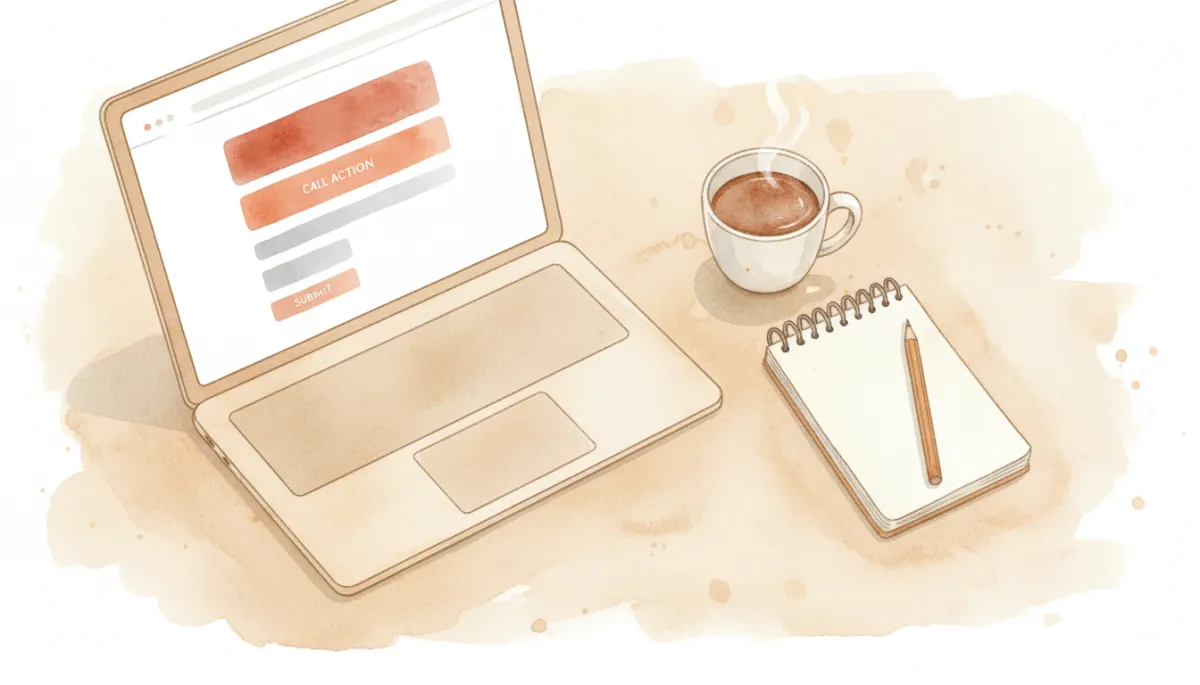
Simple layouts with clear calls-to-action routinely generate more enquiries than flashy designs.
4. Shift Your Focus: From Aesthetics to Revenue
As a local business owner, you don’t need a “cool” website. You need a website that brings in more revenue. That means measuring success not by how it looks, but by what it produces:
How many calls or enquiries came from the site this week?
How many new email subscribers or quote requests did you capture?
How many of those leads turned into paying customers?
When you look at your website through a revenue lens, decisions become clearer. Should you spend budget on new animations, or on improving your contact forms and follow-up emails? Should your homepage headline be clever, or crystal clear about what you do and who you serve? Revenue-focused websites prioritize clarity, trust, and conversion over decoration.
💡 Pro Tip: Before redesigning, track how many leads your site generates now. Then improve one thing at a time—your call-to-action, your form, or your offer—and measure the impact.
5. What This Means for Local Businesses Right Now
Whether you run a local service, a brick-and-mortar shop, or a small professional practice, your website should act like a 24/7 front desk. It should greet visitors, answer basic questions, and invite them to start a conversation with you. You don’t need a huge marketing team to do this—you just need a simple, well-thought-out lead capture system.
Add a clear “Call Now” or “Request a Quote” button to every page.
Place a short contact form near the top of your homepage and service pages.
Offer something helpful—a guide, discount, or checklist—in exchange for an email address.
Set up simple email or text follow-ups so no enquiry slips through the cracks.
When you do this, you’ll start to see your website differently. It’s no longer a cost or a vanity project—it becomes an asset that brings in leads, appointments, and sales. Design still plays a supporting role, but it’s no longer the star of the show.
Final Thought: Fix the System, Not Just the Look
If your local business website isn’t delivering results, don’t rush into another expensive redesign. Design is not the problem. Start by asking: “How does this site capture leads? What happens after someone shows interest?” Improve the system, strengthen your lead capture, and let design support that strategy. That’s how you turn your website from a pretty brochure into a reliable source of new business.
