


Instant Responses: Key to Local Business Success
Customer Experience, Local Business Growth
Customers Expect Instant Responses Now
Slow businesses lose. For local businesses, the gap between “I’m interested” and “I’ve moved on” is now measured in minutes, not days. Adapting to this new reality is no longer optional—it’s survival.
The New Customer Habit: Everything, Right Now
The way people buy has changed quietly but dramatically. Your potential customer is used to same-day delivery, one-click ordering, and getting answers from chat widgets in seconds. That same expectation now follows them when they reach out to a local plumber, dentist, real estate agent, salon, or restaurant.
When someone fills out a form, sends a Facebook or Instagram message, taps “Message” on Google, or texts your business, they’re not thinking, “I’ll hear back in a day or two.” They assume a near-instant reply. If you don’t respond quickly, they don’t complain—they just contact the next business on the list.
📌 Key Takeaway: Customers now compare your response time to the fastest digital experiences they use every day, not to other slow businesses.
Slow Businesses Lose—Quietly and Repeatedly
“Slow businesses lose” is not a slogan; it’s a description of what’s already happening in your market. The leads you never hear from again? Many of them didn’t “change their mind.” They got a faster response from someone else. In local search, speed is often the tiebreaker when price and reviews look similar.
A homeowner messages three local roofers. The one who replies within five minutes usually wins the quote—and often the job.
A parent looks for a nearby tutor after work. If they don’t get a quick answer, they schedule with whoever confirms first, not necessarily the best provider.
A diner messages two restaurants about group reservations. The first detailed reply locks in the booking.
None of these people are calling to tell you, “You were too slow.” They’ve already moved on. The loss is invisible—but it’s happening every day.
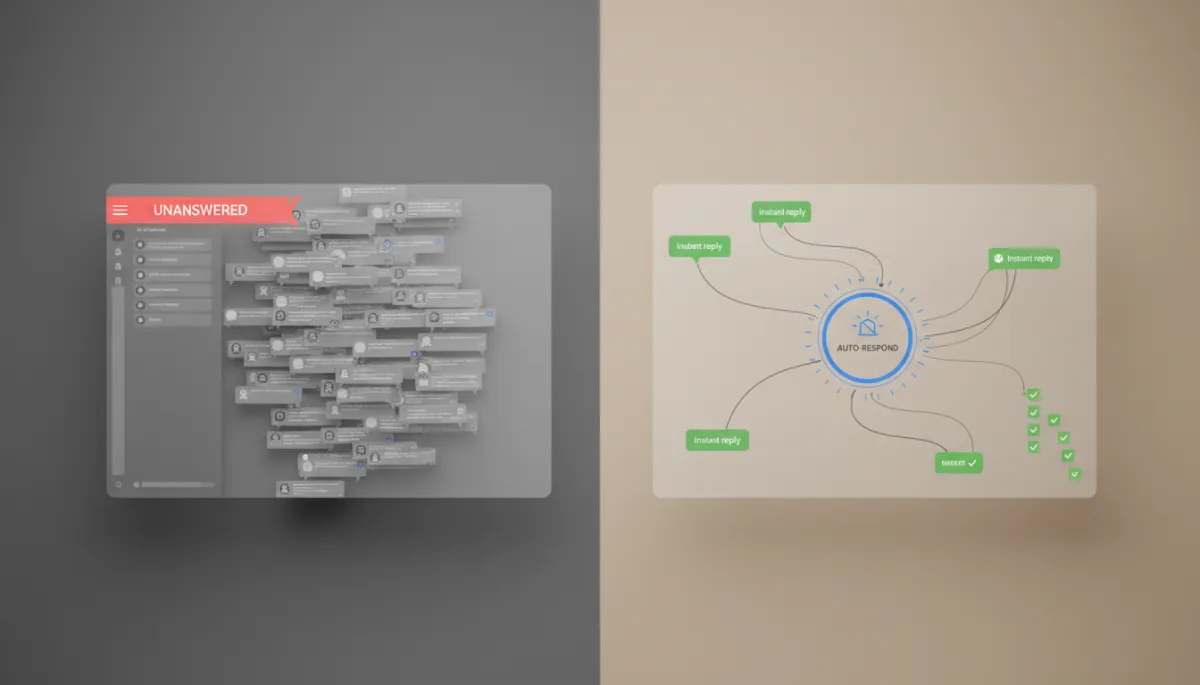
Local businesses that automate first responses capture more leads before competitors even reply.
Why Speed Matters More Than Ever for Local Businesses
For local businesses, speed is now a core part of your brand. It shapes how trustworthy, professional, and competent you appear—often before a customer ever meets you. A fast, helpful reply says:
“We’re organized and on top of things.”
“We care about your time and your business.”
“If something goes wrong, we’ll be responsive.”
A slow or no response sends the opposite message. Even a delay of a few hours can feel like disinterest when a customer is ready to buy right now. In many cases, the first business to respond sets the standard and frames the entire conversation. Everyone else is playing catch-up.
💡 Pro Tip: Treat response time like you treat rent, utilities, or payroll—an essential cost of doing business, not a nice-to-have.
Automation: The Only Practical Way to Be “Always On”
The problem is obvious: you can’t personally answer every message within minutes, 24/7. You’re serving customers, on the road, with family, or finally off the clock. That’s where automation changes the game for local businesses.
Automation enables instant replies across the channels your customers already use—text, website chat, social DMs, and even missed calls. Instead of silence, your lead gets:
A friendly confirmation that their message was received.
Basic answers to common questions—hours, location, services, pricing ranges.
An invitation to book a time, request a quote, or share more details.
You still step in for the real conversation, but automation buys you crucial minutes and hours. It holds the customer’s attention, shows professionalism, and dramatically increases the chances they’ll still be there when you follow up personally.
Adapting to the Behavioral Shift: Simple First Steps
This expectation shift can feel intimidating, but the path forward is clear. Start with a few focused changes:
Measure your current response time. Honestly track how long it takes to reply to new leads from your website, social media, and phone. What you measure, you can improve.
Set a clear standard. Aim for an initial response within 5–15 minutes during business hours, and within an hour after-hours—with automation covering the gap.
Automate the first touch. Use simple, branded templates that sound like you, not a robot. The goal is fast, human-feeling contact, not a cold script.
Act Now, Before Your Market Leaves You Behind
The customer expectation shift is already here. Customers expect instant responses now, and the businesses that adapt fastest will quietly take the lead in your local market. Those that don’t will keep wondering why inquiries “dropped off” or why ads “stopped working,” when the real issue is simple: they were too slow.
If you run a local business, this is your moment to decide: will you be the first to respond—or the one they forget? In a world where speed matters more than ever, automation isn’t a luxury. It’s the new foundation of winning and keeping your customers’ attention.
