

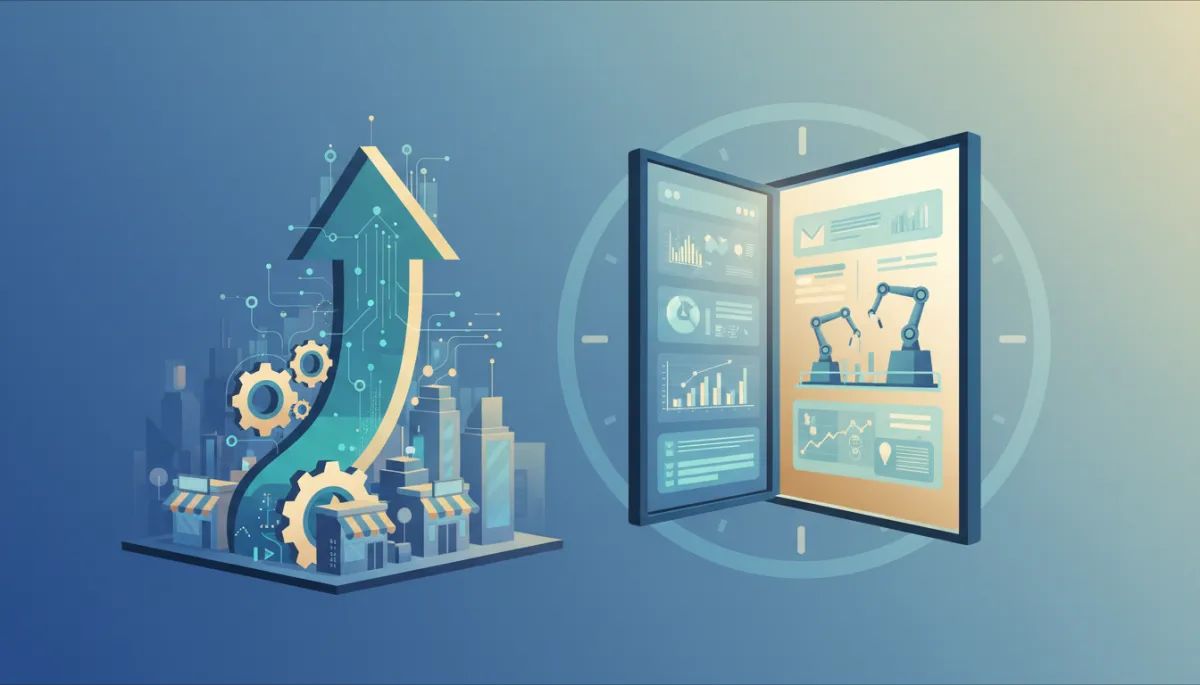
Unlock Growth: Automate Your Small Business Now
Small Business, Automation, Local Marketing
Automation Is the Biggest Opportunity for Small Businesses
Most businesses haven’t adopted it yet.
Automation Isn’t Just for Big Corporations Anymore
When many local business owners hear the word automation, they picture giant factories, robots, or expensive software meant only for large companies. In reality, automation today is far more accessible, affordable, and practical than most people realize. It has quietly become the biggest growth opportunity available to small and local businesses—and most of your competitors still aren’t using it in any serious way.
At its core, automation simply means using tools and systems to handle repetitive tasks for you—automatically, reliably, and often faster and more accurately than a person doing the same thing by hand. For a local business, that might look like:
Automatic appointment reminders sent by text or email so customers actually show up.
New website inquiries instantly added to your CRM with a follow-up sequence already in place.
Inventory alerts when stock runs low, instead of discovering it at the worst possible moment.
Invoices and payment reminders going out on schedule without you touching a keyboard.
None of these ideas are futuristic. They are available right now, often through tools you may already pay for but only use at a basic level. That gap between what’s possible and what’s actually being used is the automation opportunity.
The Possibility: Turning Everyday Tasks Into a Growth Engine
Think about how much of your team’s day is spent on tasks that are important but repetitive: typing the same emails, copying information from one place to another, confirming bookings, chasing late payments, posting the same kinds of social media updates. None of this directly creates more value for your customers—but it eats up hours every week.
Automation gives you the chance to reclaim that time and reinvest it into higher-value work: serving customers better, improving your services, training your team, or finally tackling that marketing plan you keep putting off. In other words, automation is not about replacing people; it is about removing the busywork that keeps your people from doing their best work.
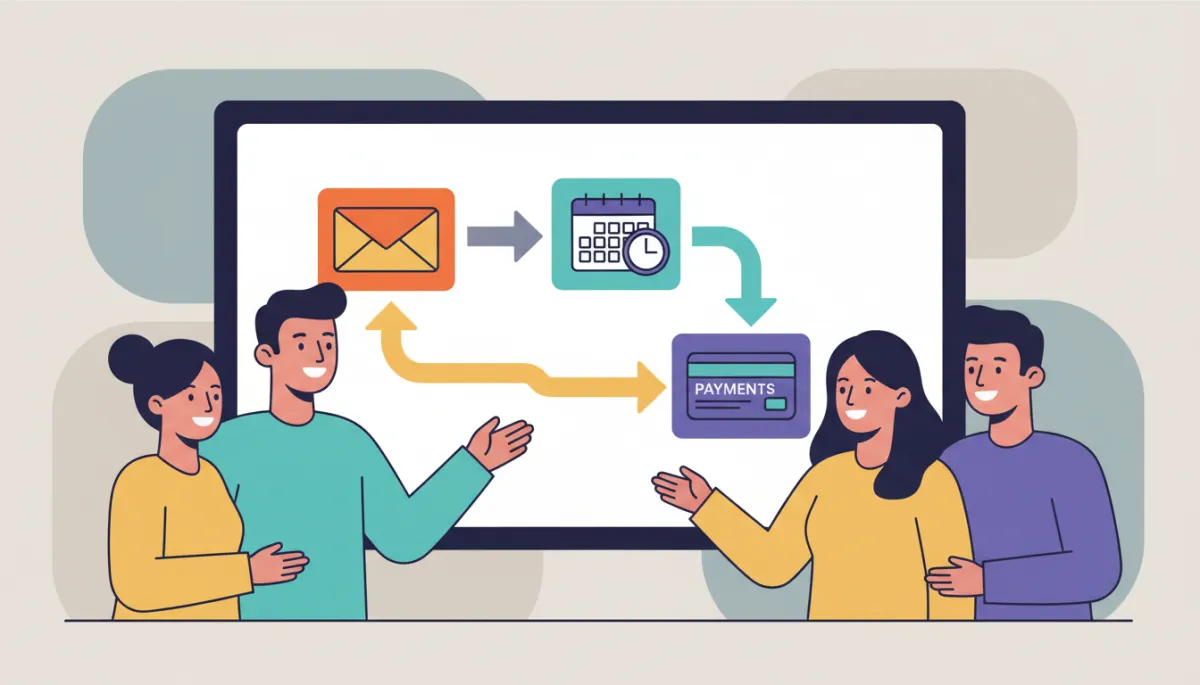
Even simple automated workflows can free hours each week for local teams.
For example, a local salon can set up an automated flow where a new client books online, receives a confirmation instantly, gets a reminder 24 hours before the appointment, and then a follow-up message asking for a review. Once built, that system runs every day without anyone on your staff lifting a finger. The result: fewer no-shows, more reviews, and a more professional customer experience—all from one small automation.
💡 Pro Tip: Start by listing the five tasks you repeat most often each week. Those are usually your best first candidates for automation.
The Early Advantage: Why Acting Now Matters
Most local businesses are still running almost entirely on manual effort. That means the bar for standing out is surprisingly low. If you are one of the first in your area to adopt simple, smart automation, you gain a real early advantage in several ways:
Faster response times: Automated replies and follow-ups make you look more responsive than competitors who take days to get back to inquiries.
Consistent customer experience: Every customer gets the same polished journey, regardless of who is working that day or how busy the team is.
Lower overhead: Automating routine work reduces the need for extra admin hours as you grow, improving margins without sacrificing service.
Once automation is in place, it quietly compounds over time. The salon that has been collecting reviews automatically for a year will rank higher, look more trustworthy online, and attract more new clients than a competitor who only starts in twelve months. That gap can be hard to close later.
The Opportunity Window for Local Businesses
Right now, automation is in a sweet spot for local businesses. The tools are mature, user-friendly, and affordable—but adoption is still relatively low at the neighborhood level. That creates a clear opportunity window before automation becomes standard practice for everyone.
Over the next few years, customers will increasingly expect seamless digital experiences: instant confirmations, easy online rescheduling, clear communication, and timely follow-ups. Businesses that wait until those expectations are universal will be forced to play catch-up. Those who move now can shape the standard in their area, not just react to it.
📌 Key Takeaway: Automation will eventually be normal for local businesses. Implementing it early lets you enjoy the benefits while your competitors are still deciding whether to start.
How to Take the First Step—Without Overwhelming Your Team
You don’t need to redesign your entire business overnight. In fact, the most successful automation projects usually start small and expand gradually. Begin with one simple goal, such as:
Reduce no-shows by automating reminders.
Capture every new lead and follow up within 24 hours automatically.
Send a thank-you and review request after each completed job or visit.
Choose one outcome that would make a noticeable difference, set up a simple automation around it, and measure the results. As your team sees the time savings and improved consistency, it becomes much easier to add the next automation and the next, building a system that supports your growth instead of holding it back.
The Moment to Act Is Now
Automation is no longer a distant, high-tech idea. It is a practical, powerful opportunity sitting on the table for local businesses—and most have not picked it up yet. By moving early, you can create smoother operations, happier customers, and a stronger competitive position in your community.
The question is not whether automation will shape the future of small business; it is who in your market will take advantage of it first. If you are ready to work smarter instead of just harder, this is your window to step ahead while others are still standing still.
