

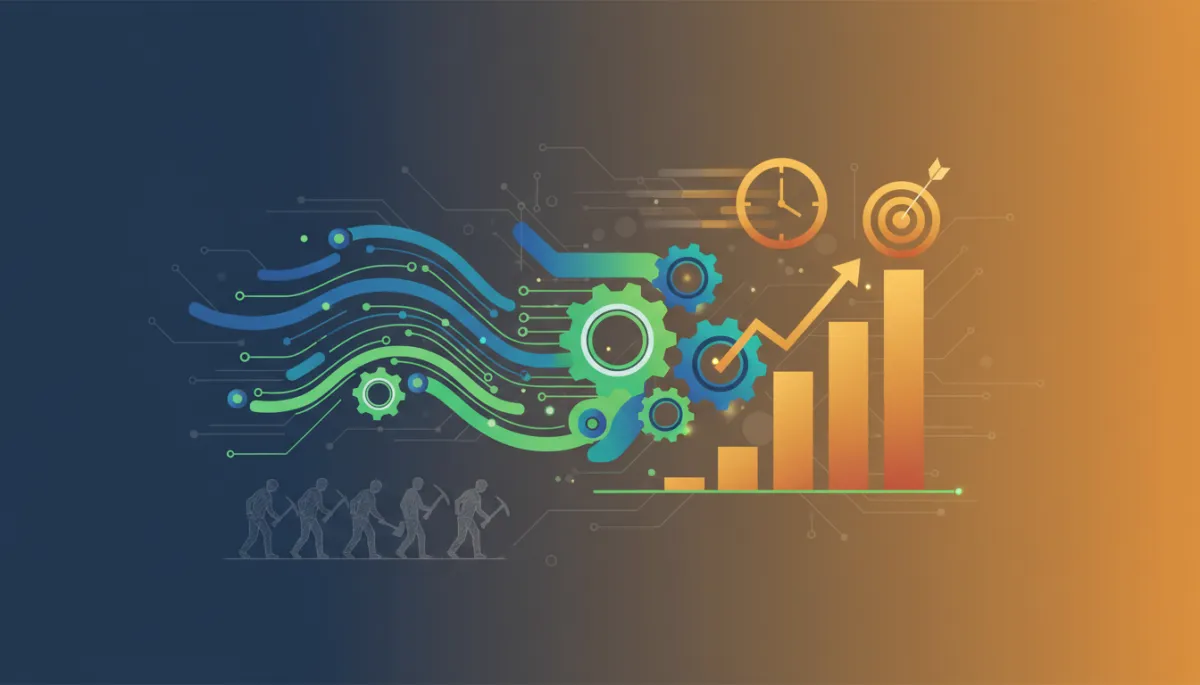
Automation Beats Hard Work for Local Business Growth
Automation, Local Business Growth
Automation Beats Hard Work
Smart systems outperform manual processes. For local businesses facing tight margins, limited time, and rising customer expectations, automation is no longer a luxury—it is the most reliable way to win more business with less effort.
Why “Working Harder” Is No Longer Enough
Local business owners are some of the hardest-working people around. Early mornings, late nights, and weekends are often part of the job. Yet despite all that effort, many still miss calls, forget to follow up on quotes, or lose leads to faster competitors. The problem is not your work ethic. The problem is that manual processes simply cannot keep up with the speed and expectations of today’s customers.
Automation changes the rules. Instead of relying on memory, sticky notes, and after-hours admin sessions, you let smart systems handle the routine, repetitive tasks for you. The result is simple but powerful: Automation > effort. The businesses that win are not the ones that grind the hardest—they are the ones that respond faster, follow up more consistently, and convert more opportunities into revenue.
Faster Responses: Win the Customer Before Competitors Do
When a potential customer reaches out—by phone, form, email, or social media—they are rarely contacting only one business. They are usually comparing options. Research shows that the first business to respond often wins the job, even if they are not the cheapest. Speed signals professionalism, reliability, and respect for the customer’s time.
Manual responses, however, are slow by nature. You might be on another job, driving between appointments, helping a customer in-store, or simply taking a well-deserved break. Every minute that passes increases the chance that the customer moves on. No matter how committed you are, you cannot be everywhere at once or answer every message instantly.
Instant confirmation: Automation tools can send an immediate “Thanks for reaching out” message, confirming that the inquiry was received and letting the customer know when to expect a full reply.
Smart routing: New leads can be automatically directed to the right person in your team, reducing delays and confusion.
After-hours coverage: Automated replies keep working when you are closed, ensuring no inquiry goes unanswered overnight or on weekends.
Faster responses do not mean robotic or cold communication. With the right setup, your automated messages can sound friendly, local, and personal, while still going out within seconds. That combination—warm tone plus instant timing—is something manual effort alone cannot consistently match.
Consistent Follow-Ups: Never Let a Warm Lead Go Cold
Every local business owner knows the sinking feeling of realizing they forgot to call someone back. Maybe you sent a quote last week, meant to check in, and then got pulled into an urgent job. By the time you remember, the customer has already chosen someone else—or decided not to move forward at all. Lost opportunities like this rarely show up on a report, but they quietly eat into your revenue month after month.
Consistent follow-up is where automation truly shines. Instead of relying on memory or manual task lists, you design a simple follow-up journey once, then let the system run it automatically for every new lead. For example:
Day 0: Send the quote and a friendly summary of what you discussed.
Day 2: Automatic check-in—“Just making sure you received the quote and don’t have any questions.”
Day 5: A reminder that your schedule is filling up, encouraging them to book a slot.
Day 10: A final polite message, keeping the door open for future work.
This level of consistency is almost impossible to maintain manually, especially when you are busy delivering the work you have already sold. Automation makes it effortless. Every lead gets the same professional experience, every time, without you having to remember a single date or set a single reminder on your phone.
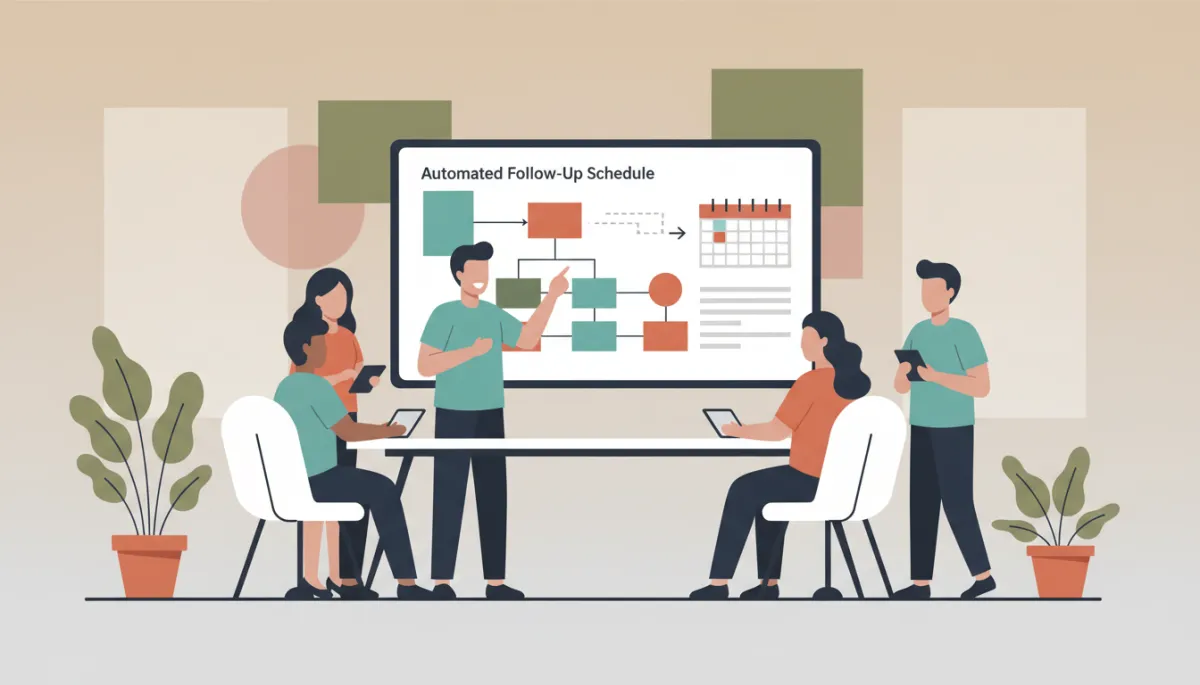
Automated follow-up sequences keep every lead warm without adding to your workload.
💡 Pro Tip: Write follow-up messages as if you are speaking directly to one person. Automation delivers them at scale, but the tone should still feel personal and local.
Better Conversions: Turn More Inquiries into Paying Customers
Faster responses and consistent follow-ups naturally lead to the third key benefit: better conversions. Conversions are simply the number of people who move from “interested” to “paying customer.” For a local business, even a small improvement in conversion rate can have a big impact on monthly revenue.
Automation improves conversions in several ways. First, it reduces the chance that good leads slip through the cracks. When every inquiry is captured, acknowledged, and followed up with, you automatically increase the percentage of people who stay engaged with your business instead of drifting away to a competitor. Second, automation allows you to present the right message at the right time—reminding people of the value you provide just when they are deciding whom to choose.
Clear next steps: Automated messages can always include a simple call to action—“Click here to book,” “Reply YES to confirm,” or “Schedule a visit now”—making it easy for customers to say yes.
Social proof on autopilot: You can automatically share reviews, testimonials, or before-and-after photos with new leads, building trust without extra effort from your team.
Targeted offers: Based on the service a person inquired about, your system can send tailored offers or reminders that speak directly to their needs.
The result is not just more leads, but more closed business. Instead of pushing harder with more advertising or longer hours, you make your existing leads work harder for you by guiding them smoothly from first contact to final decision. Once again, Automation > effort.
Real-World Scenarios for Local Businesses
To see how this plays out in everyday life, imagine a few familiar situations:
A plumbing company receives a website inquiry at 9:30 p.m. An automated message replies instantly, confirms the details, and offers a link to book the first available time slot the next morning. By the time the owner wakes up, the job is already on the calendar.
A local salon sends automatic reminders and follow-ups for upcoming appointments. Fewer no-shows, more rebookings, and more predictable revenue—without anyone spending hours on the phone.
A home services business automatically follows up on every quote with a short sequence of helpful tips and gentle reminders. Customers feel looked after, not pressured, and the business closes a higher percentage of jobs without increasing advertising spend.
Automation Doesn’t Replace Care—It Amplifies It
Some local business owners worry that automation will make their communication feel less personal. In reality, the opposite is true when it is done well. Automation takes over the repetitive, time-sensitive tasks—like sending confirmations, reminders, and follow-ups—so that you have more time and energy for the conversations that truly require a human touch.
Customers still speak to you, not a robot, when it matters. They just experience a smoother, more reliable journey along the way. Your care, expertise, and local reputation remain at the heart of the business. Automation simply ensures that those strengths are delivered consistently, without gaps or delays caused by exhaustion, distraction, or lack of time.
📌 Key Takeaway: Automation is not about doing less for your customers. It is about making sure every customer receives the level of attention you wish you could give them, every single time.
Getting Started: Small Steps, Big Impact
You do not need a huge budget or a full-time tech team to benefit from the automation advantage. Many tools designed for local businesses are affordable, simple to set up, and integrate with systems you already use, such as your website forms, booking tools, or customer database. The key is to start with one or two high-impact areas and build from there.
Automate your first response to new inquiries.
Set up a simple follow-up sequence for quotes or consultations.
Add automated reminders for appointments or service visits.
Once you see the results—faster responses, more consistent follow-ups, and better conversions—you can expand your automation to cover more of the customer journey. Over time, your business becomes sharper, more reliable, and more scalable, without demanding more hours from you or your team.
Conclusion: Automation > Effort for Local Business Success
Hard work built your business. But to grow it in today’s fast-moving, always-on world, hard work alone is not enough. Automation gives you a clear advantage: faster responses that impress customers, consistent follow-ups that keep opportunities alive, and better conversions that turn interest into income. It is not about replacing your commitment; it is about multiplying its impact.
For local businesses, the choice is becoming clear. You can keep pushing harder, hoping not to miss the next call, message, or follow-up—or you can put smart systems in place that quietly handle the routine work in the background. When you do, you free yourself to focus on what you do best: serving customers, building relationships, and leading your team.
In the race for attention, trust, and loyalty, automation beats hard work. The businesses that embrace it now will be the ones customers remember, return to, and recommend.
